

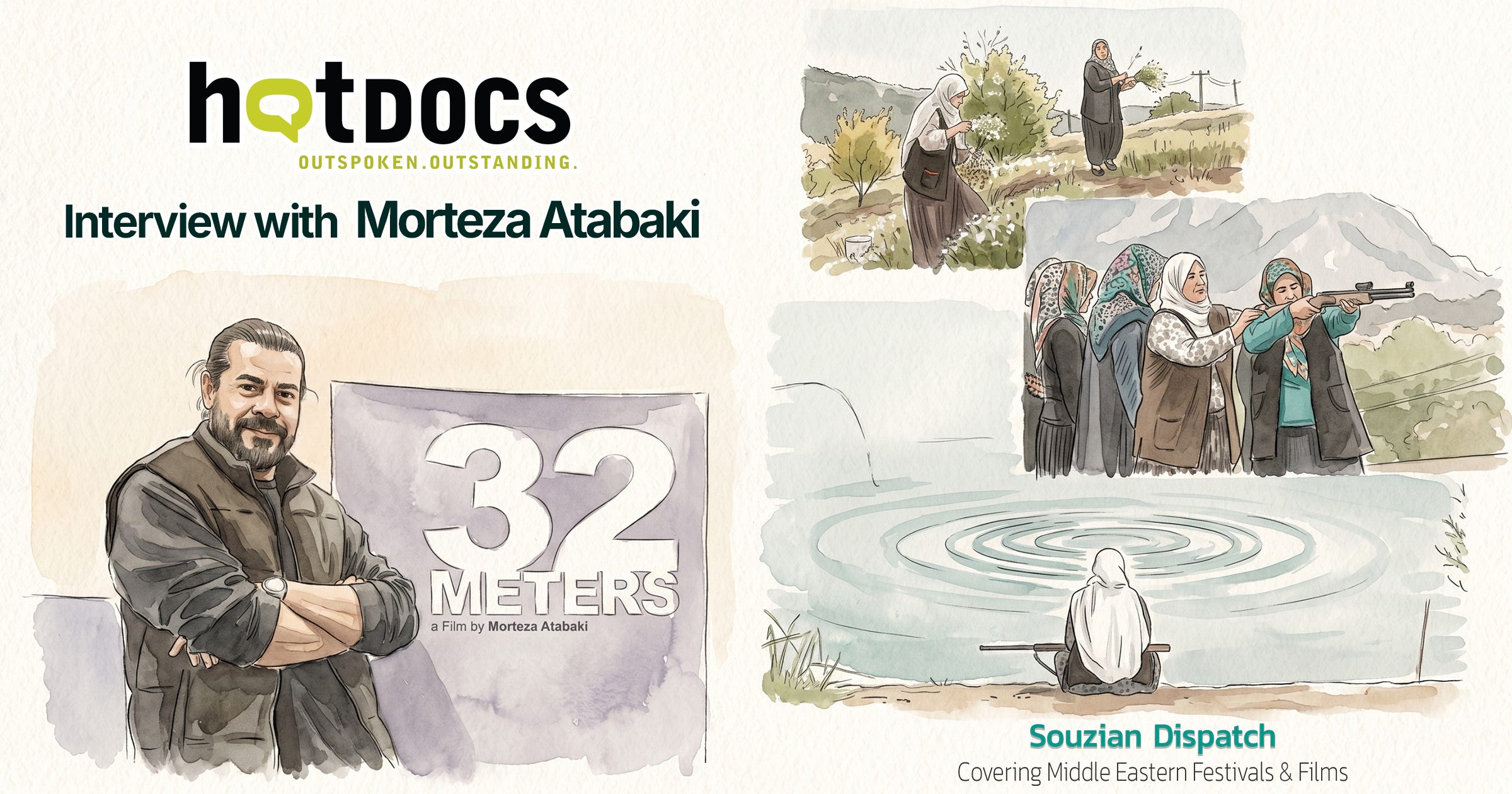
Interview with Morteza Atabaki director of "32 Meters"
A Village in Anatolia That Makes Guns, Yet Lives Without Violence: Morteza Atabaki on 32 Meters
![Abbas Souzian [Journalist]'s avatar](https://substackcdn.com/image/fetch/$s_!jkIz!,w_108,h_108,c_fill,f_webp,q_auto:good,fl_progressive:steep/https%3A%2F%2Fsubstack-post-media.s3.amazonaws.com%2Fpublic%2Fimages%2Ffa826ba8-cee6-41c0-830f-dfeaee93b2ca_1330x1330.jpeg)
On a cold spring afternoon in Istanbul, I sat down with Morteza Atabaki to speak about the screening of his film 32 Meters at Hot Docs in Canada. Atabaki is not someone who often gives interviews, so I was especially grateful that he accepted this conversation. Since 2005, he has worked across different artistic fields, and has studied alongside Abbas Kiarostami, Nuri Bilge Ceylan, and the major Iranian theatre director Ali Rafiei.
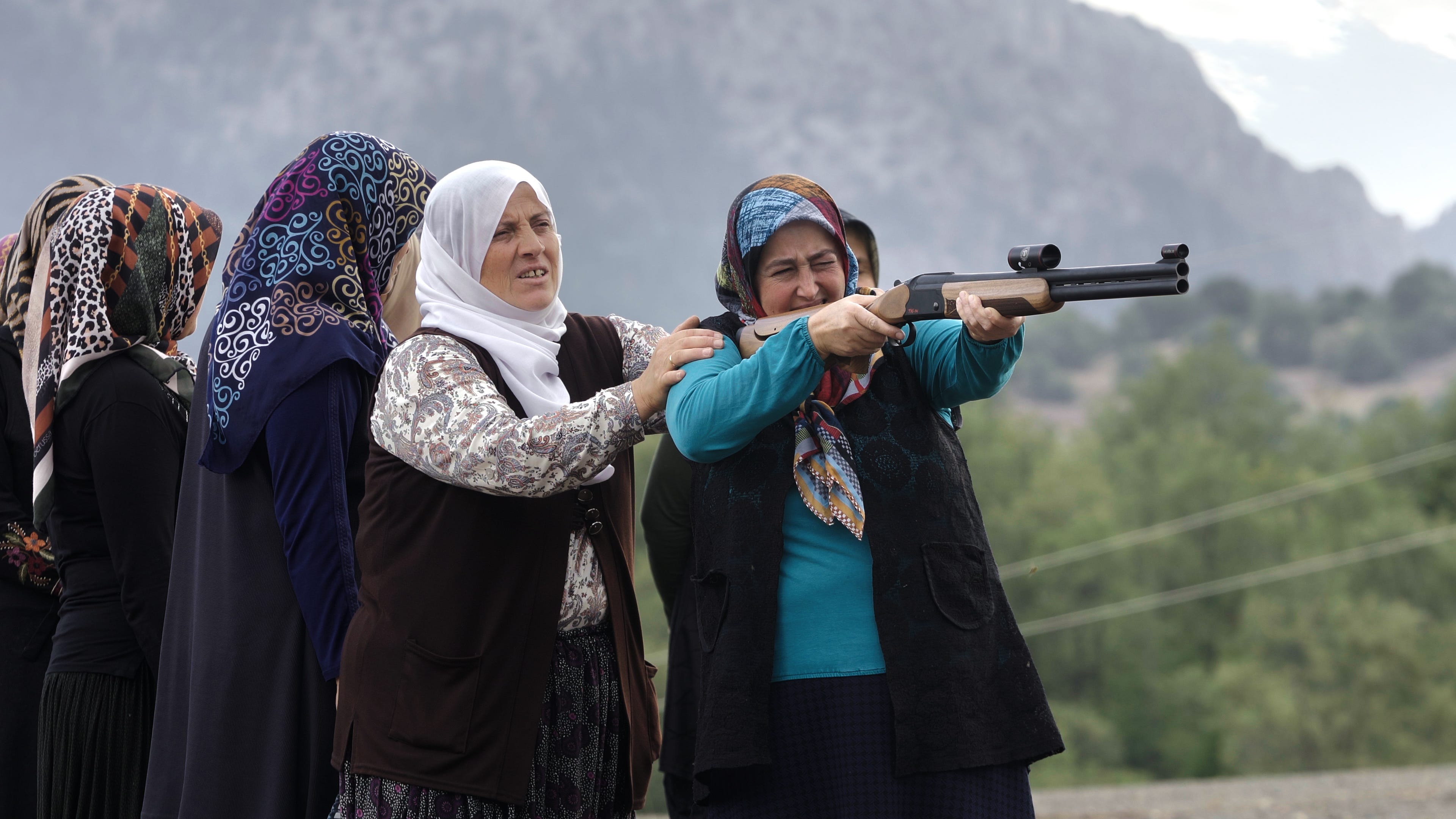
32 Meters follows a group of women in a village in Anatolia who want to take part in a shooting competition alongside the men. The film looks at the efforts of Halime and the other women in the village, while also giving space to the concerns, limits, and daily realities of women’s lives there.
Could you tell us how many years it took to make 32 Meters, and what the villagers’ first reaction was to your presence?
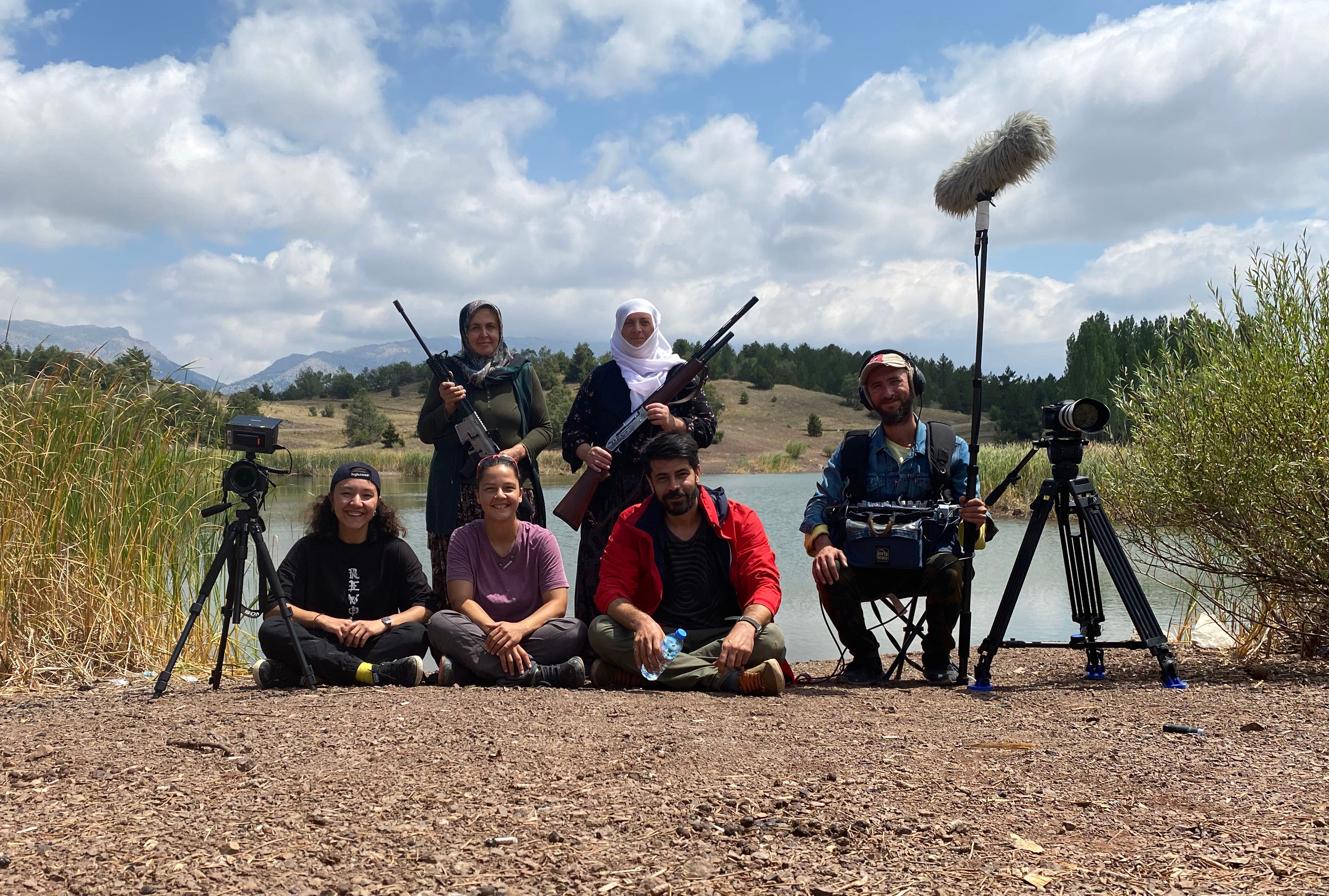
It took around six years to make the film. At first, the presence of a film crew in central Anatolia felt unfamiliar to the villagers, and even somewhat intrusive. That kind of resistance was natural. But over time, by sharing everyday life with them and building a human relationship rather than only a professional one, that distance slowly disappeared, and the camera became part of their daily world.
How did you meet Halime? Did you know from the beginning that she would become the central figure of the film?
I met Halime by chance during a local gathering, where women were cooking outside in the street. To be honest, from that very first moment, I had a feeling that she was the person I had been looking for. She had a presence that could carry the heart of a story.
What was the film first focused on, and how did it gradually move toward the question of women?
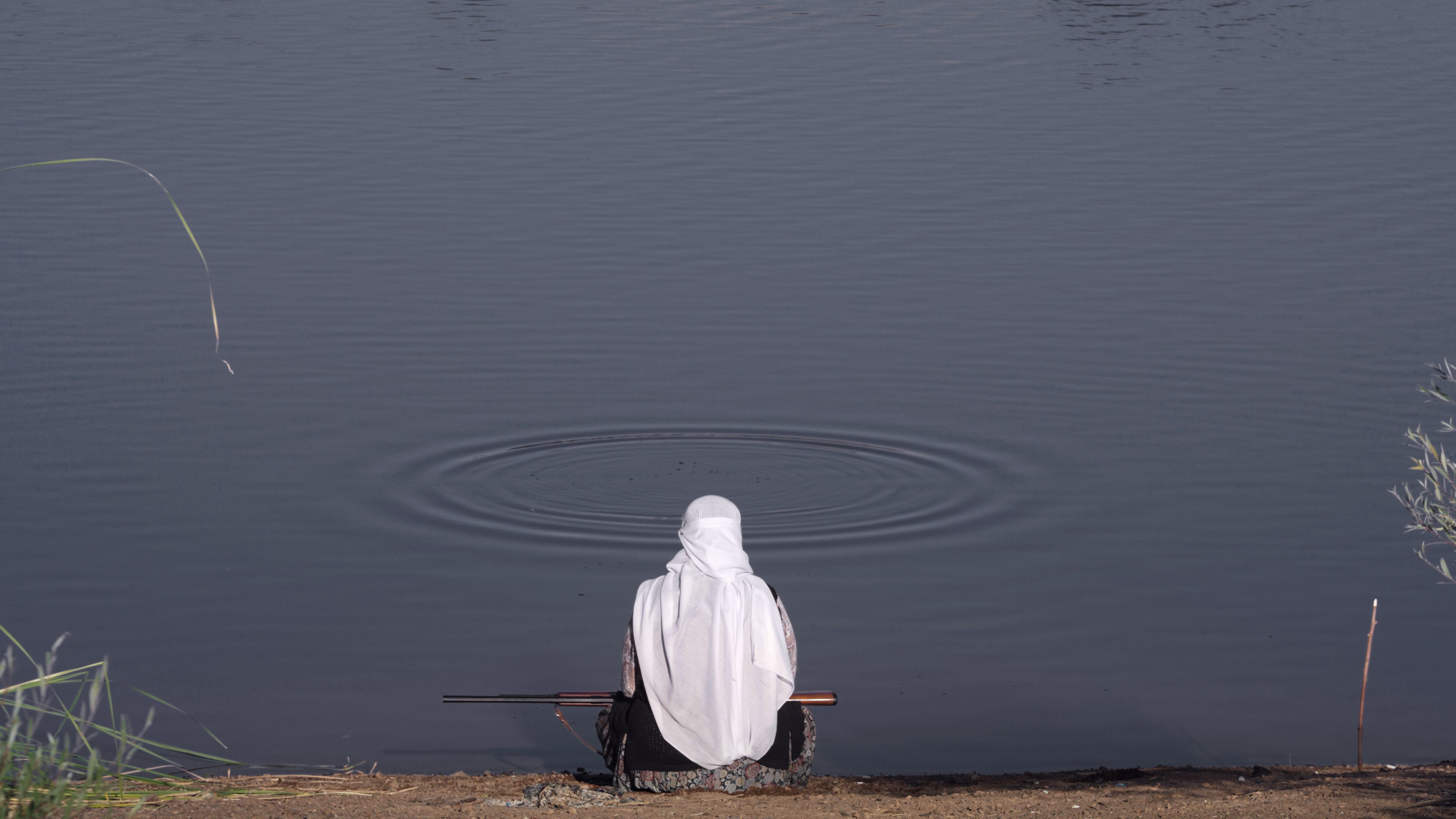
The starting point for me was the paradox of a village where the inherited profession is gun-making, yet no violence has been reported there for many years. That contradiction drew me in. But for it to become a film, it needed a human story. Meeting Halime, the only woman shooter in the village, changed that path, and little by little the film began to take shape around the quiet, everyday resistance of women.
At what point did you enter the story, and how did this non-cliched way of looking at it take form?
I entered the story at the moment when Halime wanted to take part in the men’s shooting competition, but the event was suddenly cancelled. For me, that became a dramatic turning point.
As for the non-cliched approach, that is a conscious choice, and not only in this film. In general, I try to stay away from pre-defined narratives, because I believe cliches simplify the complexity of reality. That is why, from the beginning, I did not want the film to move toward an explanatory or report-driven form of documentary.
Was the film’s subtle sense of humour something you consciously shaped, or did it grow naturally from the place itself?
That humour was already there, in the lives and behaviour of the people in the film. What mattered to me was keeping a balance between that humour and the seriousness of the subject. In that sense, the humour is not there to soften things. It is part of the way people live, endure, and survive in that environment.
Why did you choose to stay away from a bitter or slogan-driven tone, despite the subject of the film?
I think that in today’s world, when audiences are already surrounded by so many social and political crises, direct and slogan-like tones have lost much of their power. I prefer to create a space where the audience can arrive at an understanding on their own, rather than pushing them toward it. To me, that kind of approach feels more honest, and more lasting.
Do you see any connection between this story and women’s movements elsewhere, including in Iran?
Women’s movements in different parts of the world share a common goal: the search for equality and justice. But the social and historical context gives each struggle its own shape. In Iran, this struggle has more layered dimensions, because the issue is not only equality, but also the fight for basic freedoms that have been restricted for many years.
How do you see the cultural similarities and differences between Iran and Turkey?
There are deep similarities between the two societies in family structures, traditional roles, and even everyday humour. At the same time, the differences are also important, especially when it comes to women’s social experience and the extent of their presence in public life. This coexistence of similarity and difference has always been something I reflect on.
Your work brings Abbas Kiarostami to mind. How did that influence take shape in your cinema?
As someone who had the honour of learning from Mr. Kiarostami and spending some time working alongside him, I think that influence has remained with me in a largely unconscious way. What inspired me most was his way of facing reality, especially in Close-Up, where the line between reality and representation almost disappears. In my own film, I also tried to give the characters space to shape the narrative themselves, rather than simply placing them in the service of a pre-decided idea.
32 Meters is a co-production of Turkey, Iran, and Qatar, and is taking part in Hot Docs as a Turkish title. The film screened at the festival in Toronto on Friday, May 1, at TLB 2.
Toronto Screening Tickets
Available via the Hot Docs box office.Follow The Director
Visit Morteza Atabaki’s Instagram page.
License
This piece, published by Souzian Dispatch and written by Abbas Souzian, is licensed under the Creative Commons Attribution 4.0 International License (CC BY 4.0), unless otherwise noted.
Images & Videos Credits and Rights
Certain images and videos included in this piece are not owned by Abbas Souzian and are not covered by this license. Rights to those materials remain with their respective copyright holders.